
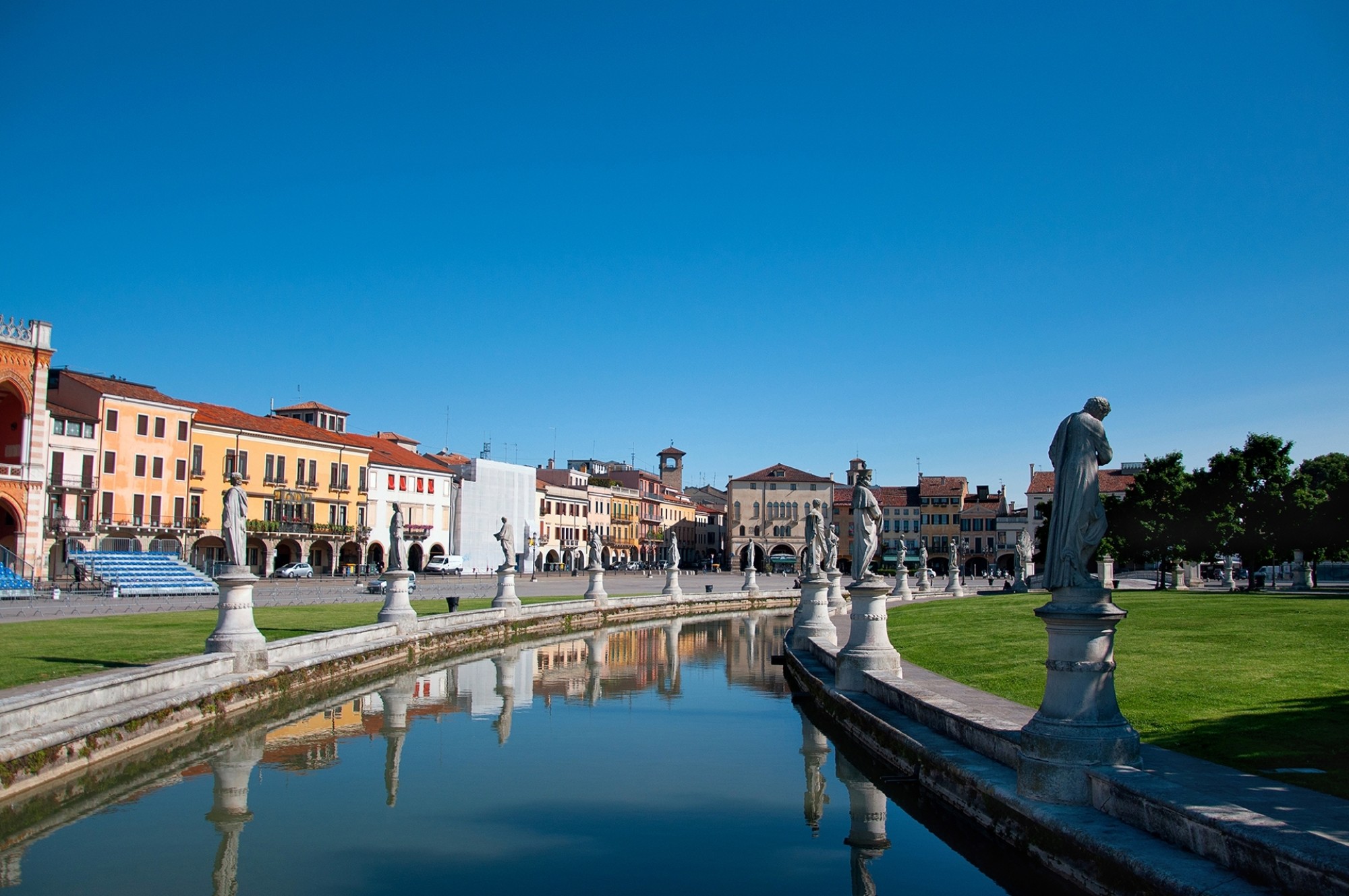
Stretching across a swathe of north-east Italy, the joy of the Veneto is its extraordinary variety: prosperous towns are situated amongst coastal lagoons, marshlands, rolling hills and the Alpine air of the Dolomites. The imprint of Venetian dominance can be seen in the region’s elegant towns, Palladian villas dot the landscape, and thermal waters offer relaxation.
The exact order of excursions will be included in your itinerary, which you should expect to receive approximately 2-3 weeks prior to departure.
Based on a minimum of 25 members travelling. Should fewer travel the price will increase.

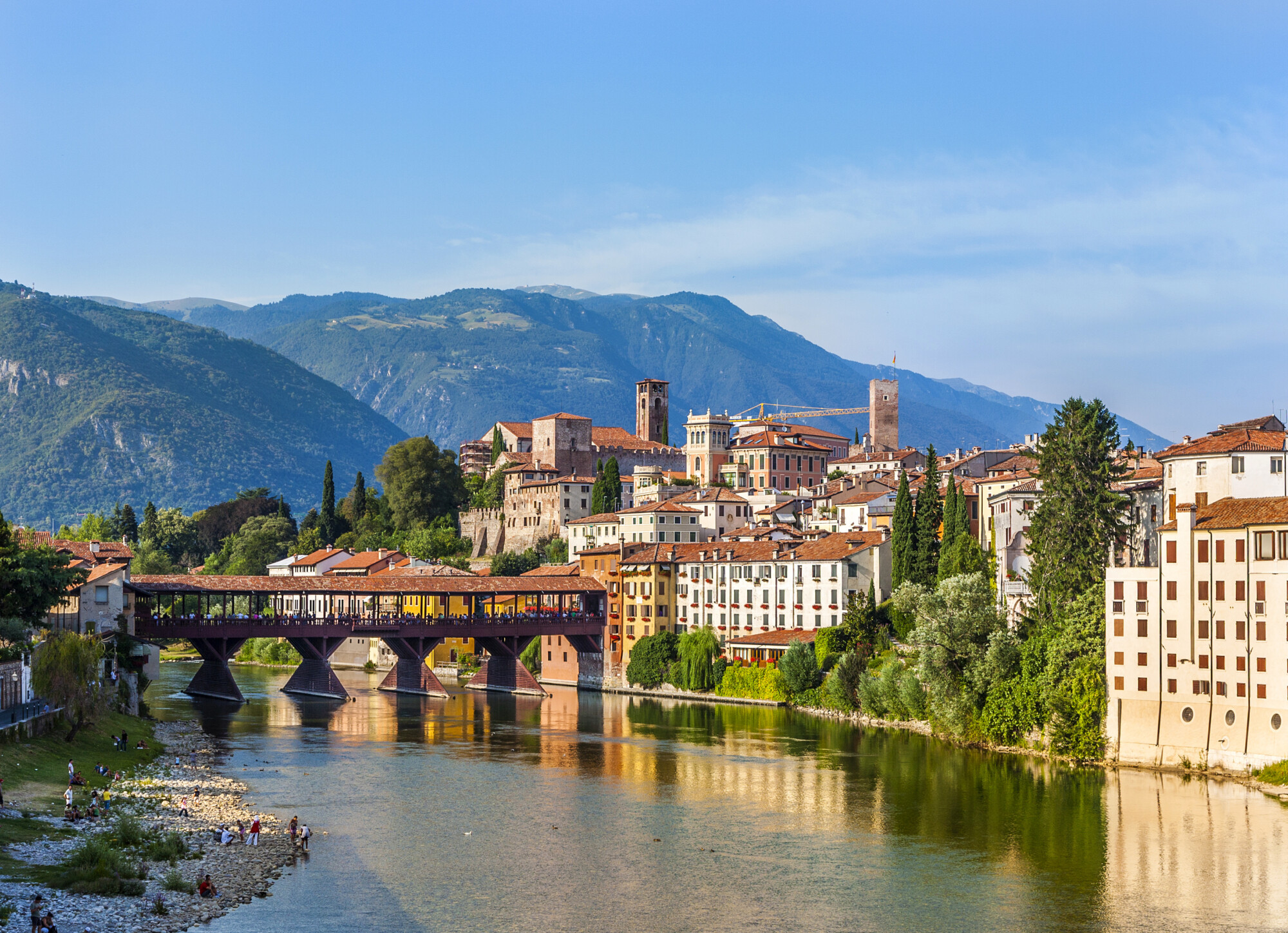
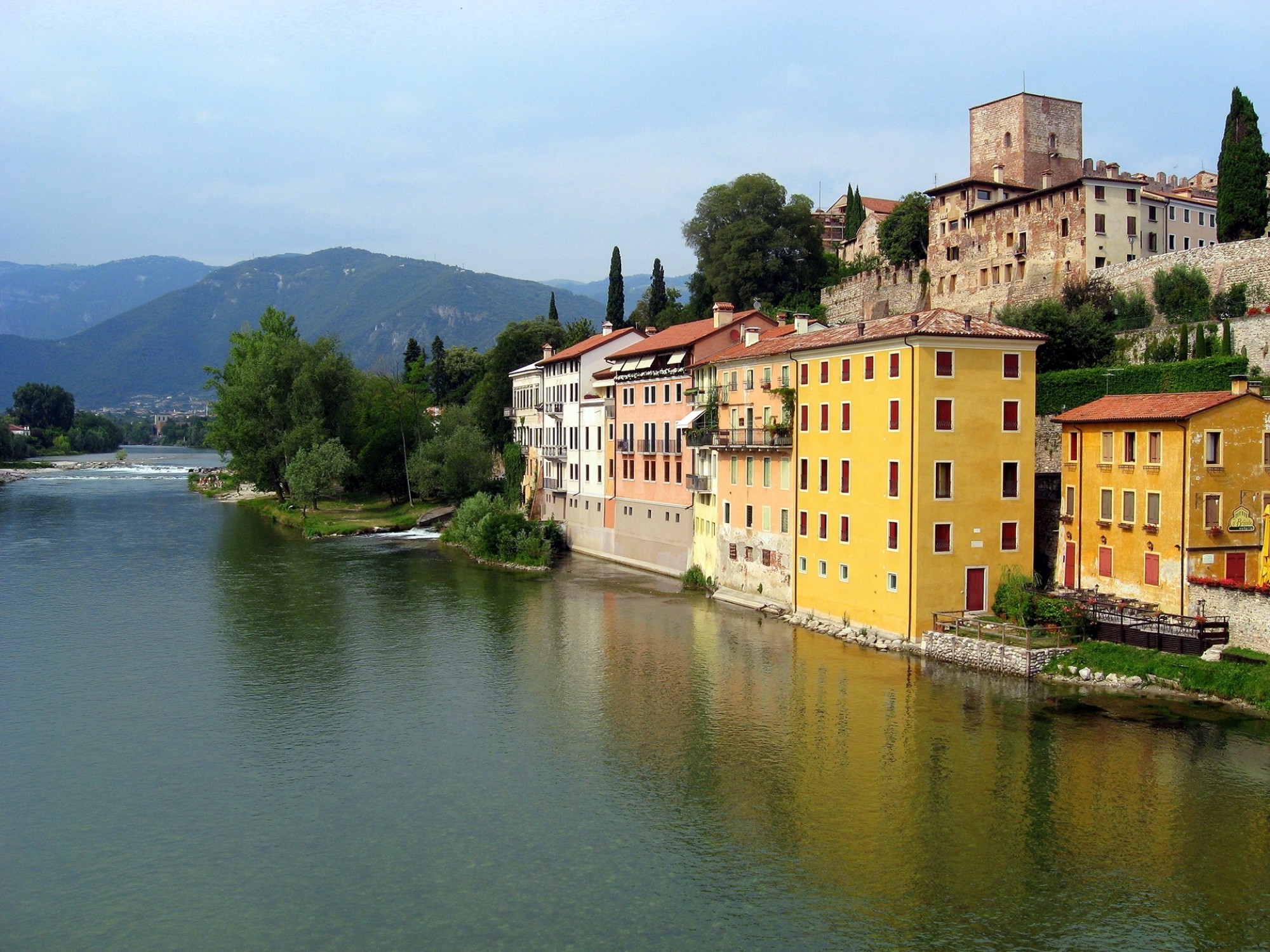
Famed predominately for its eponymous firewater, Bassano del Grappa’s historic centre exudes quiet charm. Explore the quaint wooden bridge over the River Brenta, interesting little churches, pretty piazzas, ceramics collections and grappa distilleries. Grappa is a fiery spirit made from the grape vines discarded in the wine-making process.
A small historic walled town in the province of Treviso, Castelfranco is perfect to stroll around for a few hours to admire its ancient attractions including the Duomo at the heart of the town. A large 18th century building designed by Francesco Maria Preti and a stunning altarpiece by a local artist, Giorgione which dates back to around 1503-1504.

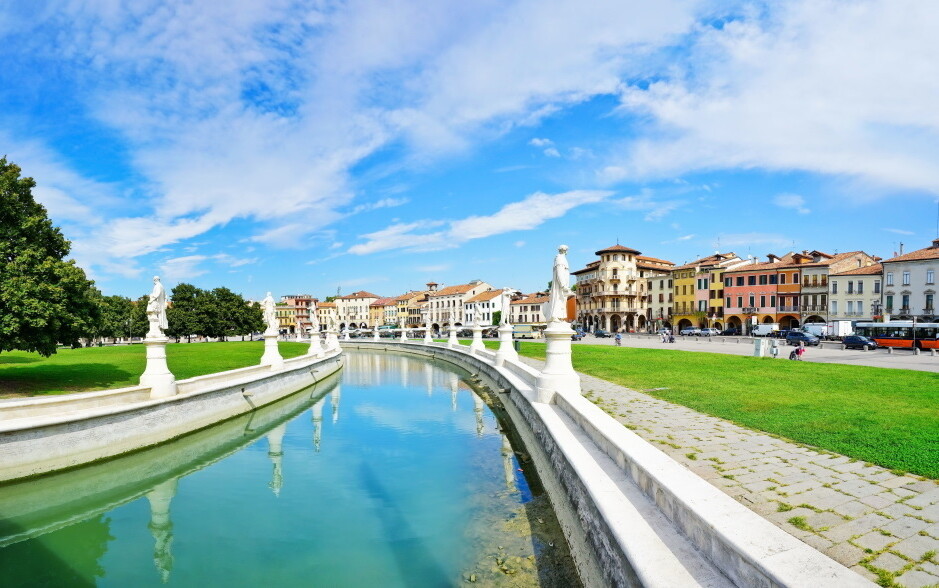
An ancient city with a youthful population, Padua was once a medieval city-state that vied for power with Venice and Verona. Today, Padua is vibrant town with an authentic feel and a lovely place to stroll the streets, markets and parks, but its previous position of power is still evident in the incredible frescoes found within the town’s churches and chapels. Giotto’s extraordinary, luminous work in the Scrovegni Chapel is the jewel in the crown. Padua played a role in more recent history too, providing a stage for Mussolini’s Fascist oratory.
Just over 25 miles from Venice, the city of Padua is famous as the UNESCO heritage site of the Scrovegni Chapel, home to one of the most important masterpieces of western art, the frescoed cycles of Giotto, dating back to 1303-05. Covering the entire interior of the chapel, the spectacular frescoes are the greatest masterpiece by the artist and are a narration of the history of salvation.

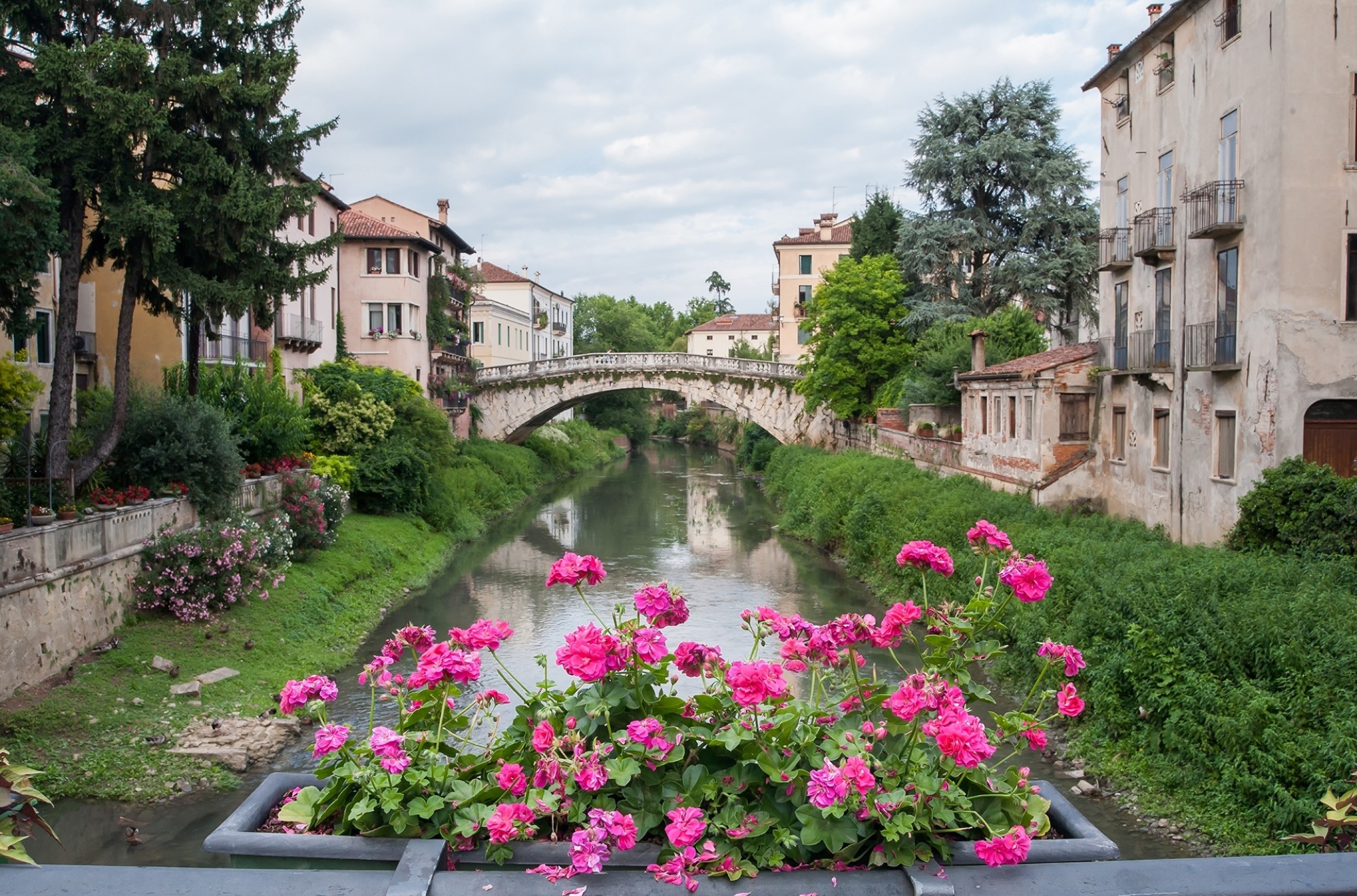
The architectural elegance of lovely Vicenza is almost solely thanks to one man: Palladio. During the 1500s, Palladio not only transformed this city but also influenced building styles across the whole of Europe. Classicism, sophistication and simplicity define the palazzi, villas and civic landmarks built in the Palladian style, and have been emulated far and wide. In addition to the stunning architecture, this small city bustles with lively markets, cafés and restaurants as well as interesting galleries and museums.
Venerated as one of Palladio’s greatest constructions, the Villa di Maser (also known as Villa Barbaro) was commissioned by the powerful Barbaro family of Venice in the 16th century. Now a UNESCO World Heritage Site, the elegant symmetry of this sublime home is lifted by the its stunning interior and flourishing grounds. Within the estate, a historic vineyard produces fine wines.
Close to Venice in the Veneto region of north-east Italy, the attractive town of Treviso offers a rich cultural heritage with a fascinating historic centre with plenty of churches, squares and art galleries to explore. Look out for the Civic Museum with a gallery of medieval, renaissance and modern art as well as the impressive Treviso Cathedral with its neoclassical portico. The town’s smartest and vibrant shopping street is Calmaggiore and there’s also a network of picturesque canals to stroll along including the Canale dei Buranelli.
Founded in 1220 by the municipality of Padua as a strategic military outpost, Cittadella features Europe’s best-preserved, fully walkable elliptical medieval brick wall and is surrounded by a protective moat once fed by the Brenta river system.
Visitors can access the Camminamento di Ronda, an elevated, fully restored parapet walkway that provides a 360-degree view of the town layout.
The latest adventures in your mailbox