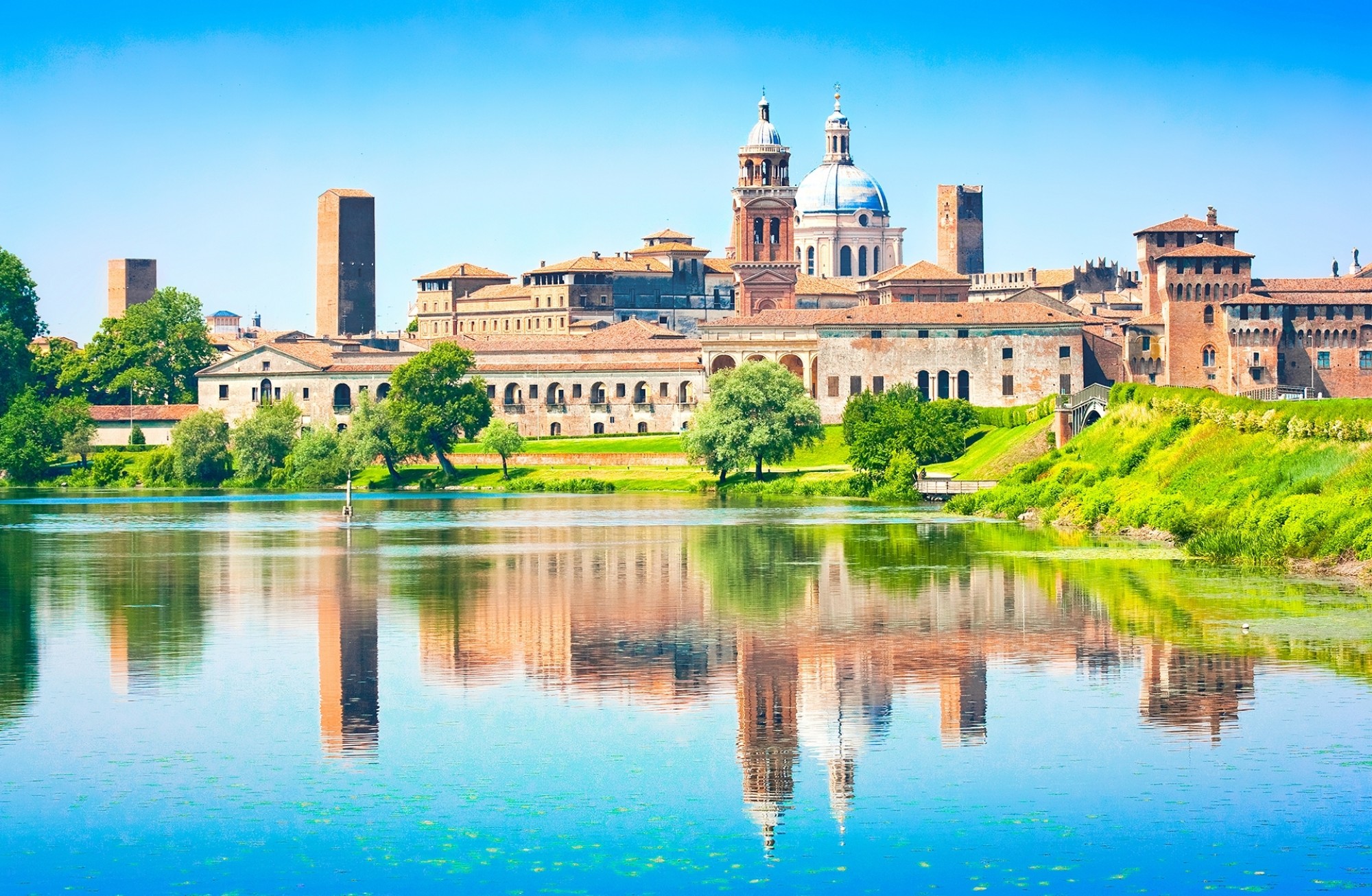
History, art, and food reign supreme in Parma and Mantua (Mantova), once two of Italy’s wealthiest dukedoms. Situated in the Emilia-Romagna region, Parma boasts glorious late-medieval architecture, links with the 19th-century composer Giuseppe Verdi, and the gastronomic specialities of Parma ham and parmesan cheese. Lombardy’s art city of Mantua, meanwhile, combines lakeside Renaissance beauty with a rich cultural and culinary past.
PARMA & MANUA
Italy's wealthiest dukedoms
Please get in touch to discuss your requirements - call us 01225 764205 or email enquiries@successtours.com
March, April, May, October, November

Once an Etruscan village, Mantua (Mantova) was transformed during the Renaissance period by the powerful House of Gonzaga. Today, the grandeur of this family remains to be seen in the town’s architecture, which includes the grand Palazzo Ducale and the wonderful Palazzo Te. The interiors of these spectacular palaces are adorned with incredible frescoes.
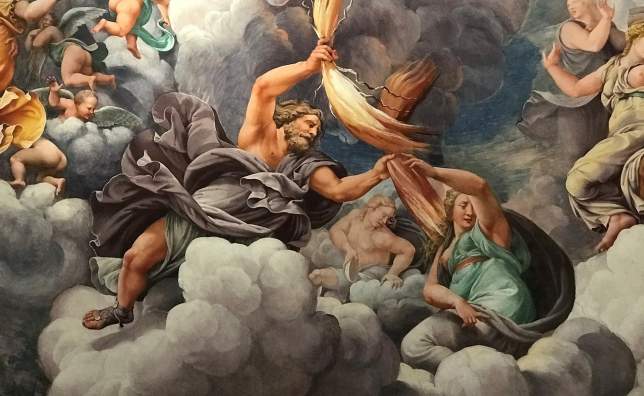
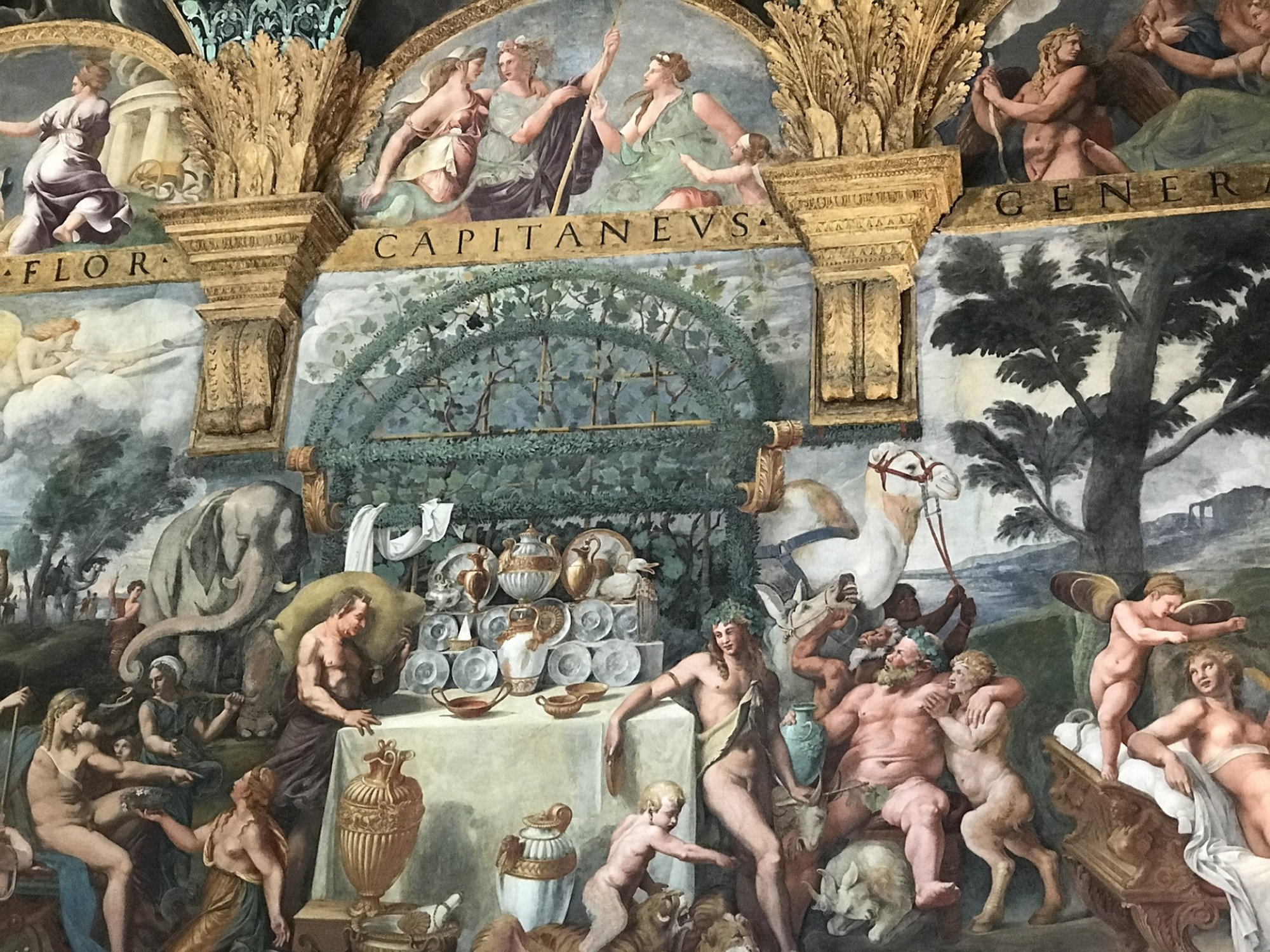
The Palazzo Te is a stunning example of High Renaissance architecture. Commissioned by Frederico II Gonzaga in the early 16th century, this pleasure palace is a masterpiece by Giulio Romano, a pupil of Rafael. Inside the palace, his awe-inspiring trompe l’oeil frescoes demonstrate the Mannerist style.
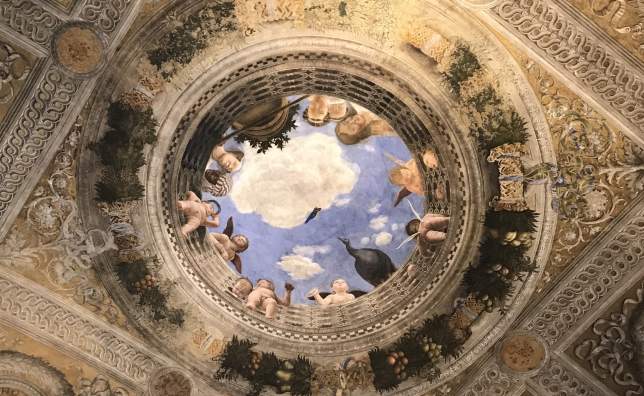
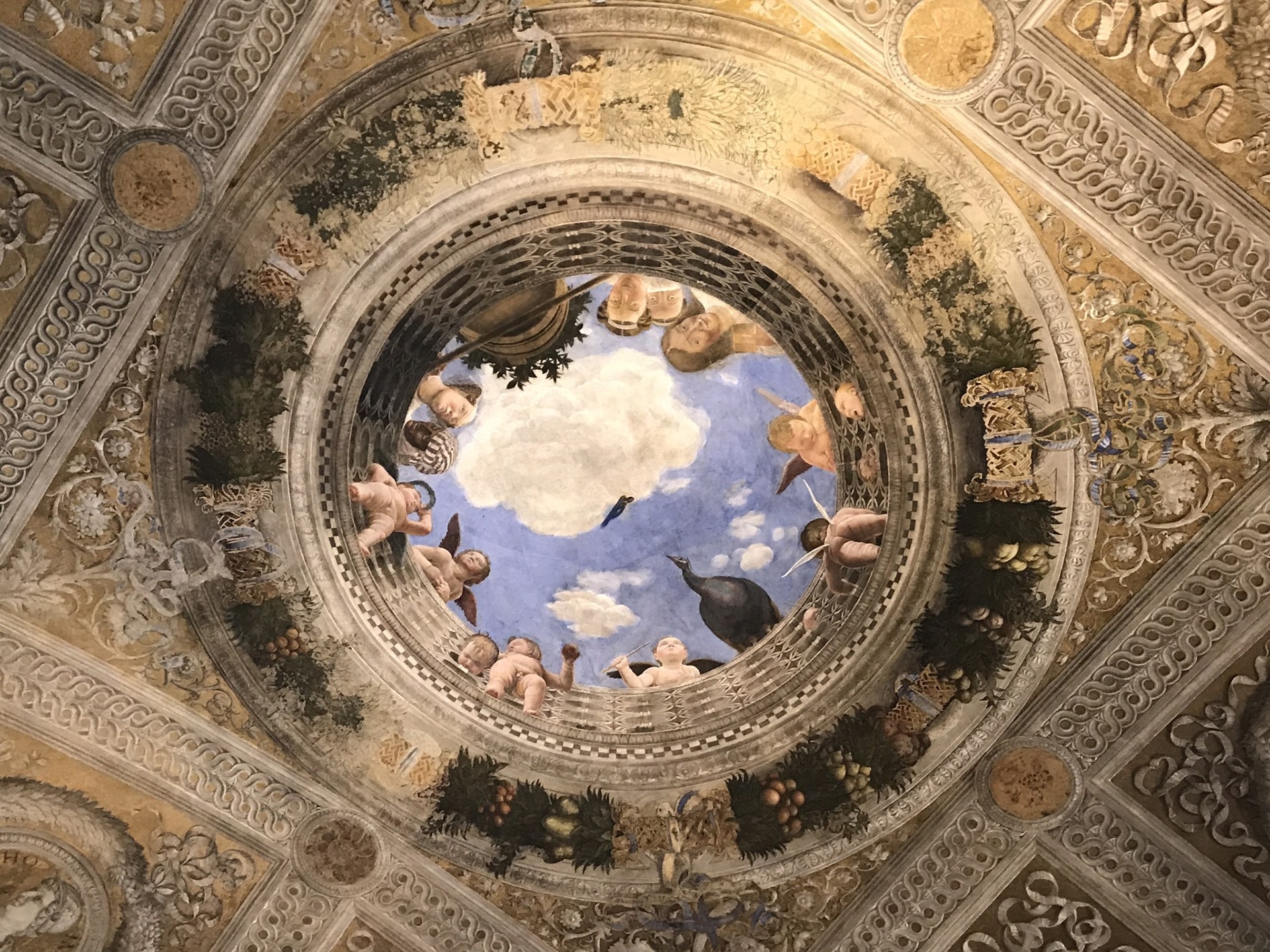
Mantua’s Palazzo Ducale was the sophisticated seat of the Gonzaga family for three centuries. This vast palace boasts over 500 rooms, alongside many courtyards and gardens. The Painted Chamber, a 15th century masterpiece by Mantegna, is a highlight of this important and extensive historic court.
A former Roman outpost and one of Italy’s most underrated gems, charming Parma hems a tributary of the Po River and is the cultural epicentre of Emilia-Romagna. Brimming with stately monuments, piazzas, and food spots selling its celebrated cheese and ham, its strollable centre reveals jewel after jewel, from handsome Parma Duomo and Baptistery to the Teatro Regio di Parma opera house, a stage for many Giuseppe Verdi opera performances.
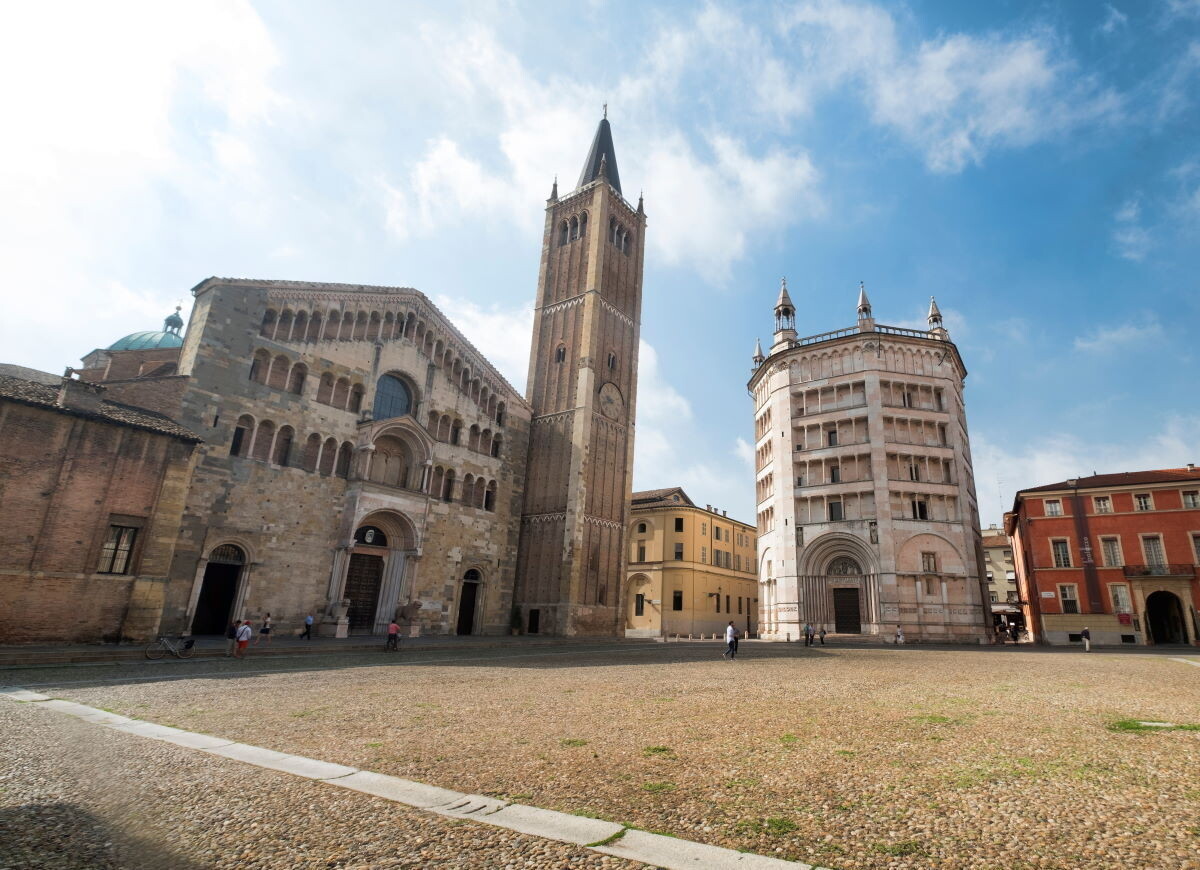
Overlooking the city’s majestic Duomo Square, Parma Duomo and Baptistery are visions of medieval beauty. Completed in the 12th century, the austere-looking cathedral reveals a cavernous Renaissance interior filled with ornate statues and paintings, and crowned by a stunning frescoed dome by Antonio da Careggio. Nearby is the Baptistery, an octagonal pink marble masterpiece whose doors open to magnificent baptismal fonts, swirling murals and a soaring fresco-covered ceiling.
Fringing Parma’s historical centre, the imposing Palazzo della Pilotta was built for the Farnese family, the dukes of Parma between the 16th-18th centuries. Named after the ‘pelota’ game once played in its courtyards, the complex houses several present-day art and cultural institutions. Highlights include the wooden Farnese Theatre, the treasure-filled Parma National Gallery and Parma National Archaeological Museum; and the Palatine Library and Bodoni Museum, dedicated to Italian printer, Bodoni.
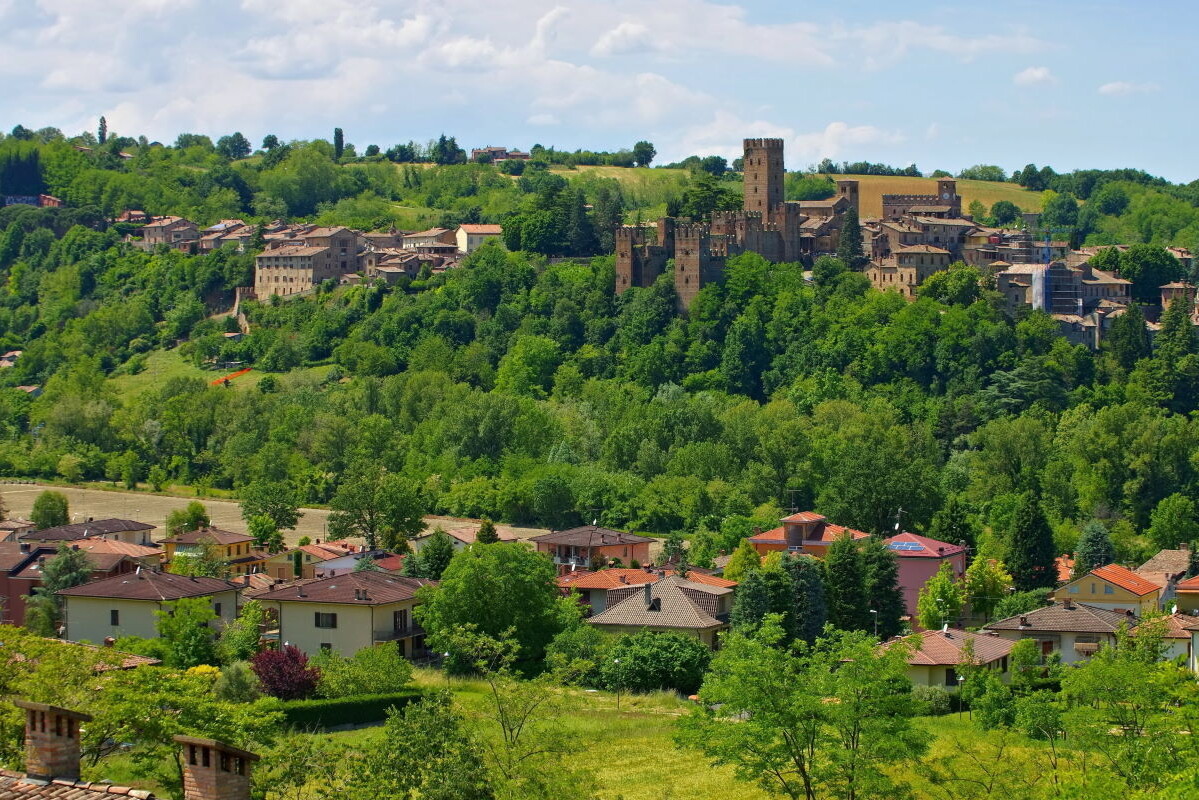
Just near Parma, Castell’Arquato is one of Emilia-Romagna’s most beautiful villages and best-kept secrets. Complete with medieval battlements offering panoramic views over the surrounding hills and vineyards, this well-preserved gem boasts picture-postcard historical buildings, cobbled streets, and restaurant-lined piazzas. A guide will bring its landmark sights to life, from its palazzo and church to its hilltop Piazza del Municipio, dominated by the Visconti Castle and its main tower.
With a history extending as far back as the 10th century, sleepy Busseto is located northwest of Parma and famous for its close associations with Italian composer, Giuseppe Verdi, who was born nearby in 1813 and spent much time here. With its pretty townhouses, piazzas, and arcaded streets, the town is a pleasure to explore, especially with a guide to offer insight into its Verdi connections and storied history.
Overlooking Busseto’s Piazza Giuseppe Verdi, Casa Barezzi was the 19th-century home of Giuseppe Verdi’s patron, Antonio Barezzi, and is where Verdi met his future wife, Margherita, who was Barezzi’s daughter. The composer lived here for a time, and its museum exhibits some of his personal memorabilia. Nearby is the 15th-century Church of Santa Maria Degli Angeli, where Verdi attended services and once performed an organ concert.
Set inside the Rocca dei Marchesi Pallavicino castle in Busseto, the mid-19th-century Teatro Giuseppe Verdi is one the town’s most impressive sights. Designed by architect Pier Luigi Montecchini, this small theatre has a grand staircase adorned with a bust of Verdi and an opulent auditorium topped by ceiling medallions portraying theatrical themes. Verdi himself contributed funds to the building of the theatre, which lends it an extra historic resonance.
Cremona, a fine medieval city most well known for its violin-making tradition. A famous music centre since the 16th century, it is still known for its artisan workshops producing high-quality stringed instruments. Antonio Stradivari produced over 1100 violins. The picturesque city has more to offer with wonderful frescos at Palazzo Comunale, Europe's oldest surviving tower over 100m tall, the world's largest astronomical clock and of course the Violin Museum that displays both modern and historical pieces, including famous string instruments by Antonio Stradivari, Guarneri del Gesù, and Andrea Amati.
The latest adventures in your mailbox