
Scotland
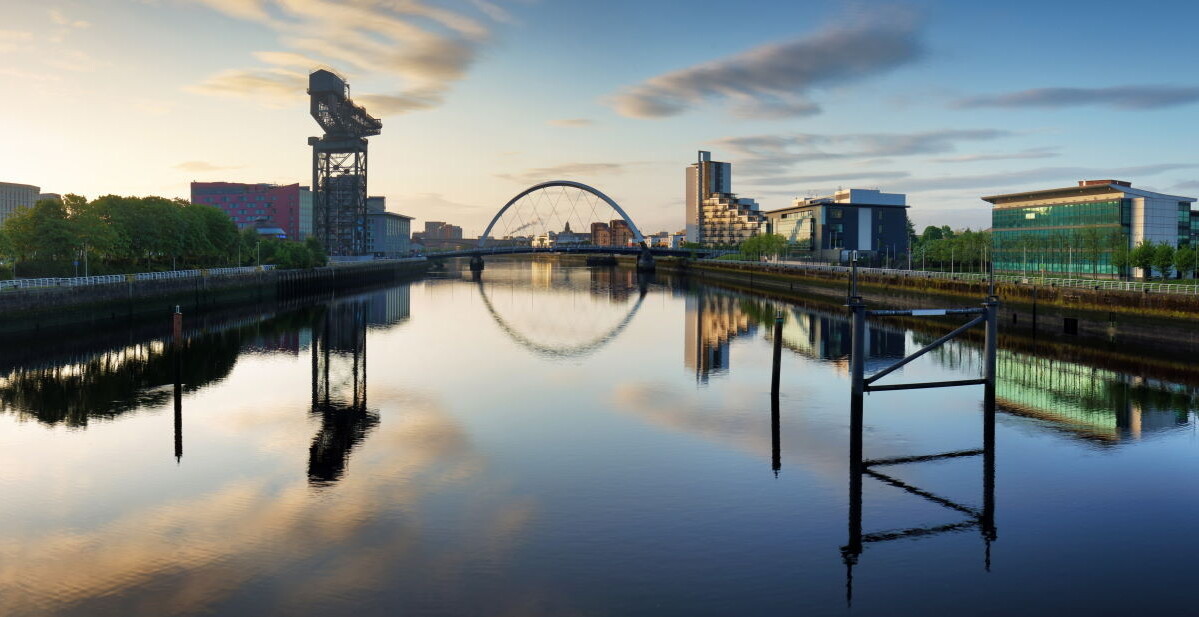
Glasgow is Scotland’s biggest metropolis, and arguably its most energetic. Built on an industrial past, Glasgow has spent the last few decades emerging from its less than favourable reputation with a swagger and warmth that is unique to the city. Cosmopolitan and cultural, between the impressive Victorian architecture and medieval churches lie many an innovative museum. Glasgow is also home to an enviable collection of art galleries, and the city continues to progress its reputation for striking architecture with its modern glass and steel buildings for the post-industrial age.
GLASGOW
Discover Scotland’s Creative Capital
Please get in touch to discuss your requirements - call us 01225 764205 or email enquiries@successtours.com
April, May, June, July, September, October

The vibrant city of Glasgow has a wonderful legacy of Victorian architecture, including the iconic Art Nouveau designs of Charles Rennie Mackintosh. Glasgow has an impressive artistic and cultural legacy, which can be explored in the world-class exhibitions at Kelvingrove Art Gallery and the Burrell Collection, and the dynamic Riverside Museum. Explore the stylishly gentrified Merchants City for independent shops and eateries, and don’t miss the elegant, Mackintosh-inspired Willow Tea Rooms.

With 22 galleries and many temporary exhibitions changing throughout the year, Kelvingrove offers a diverse and impressive collection for art lovers to enjoy. See works from 17th century Dutch and Flemish Old Masters, pieces by eminent French artists, and furniture from Charles Rennie Mackintosh. View the impressive Fulton’s Orrery – a 3-dimensional model of our solar system from the 1820s, and catch a musical recital from an organ built in 1901.

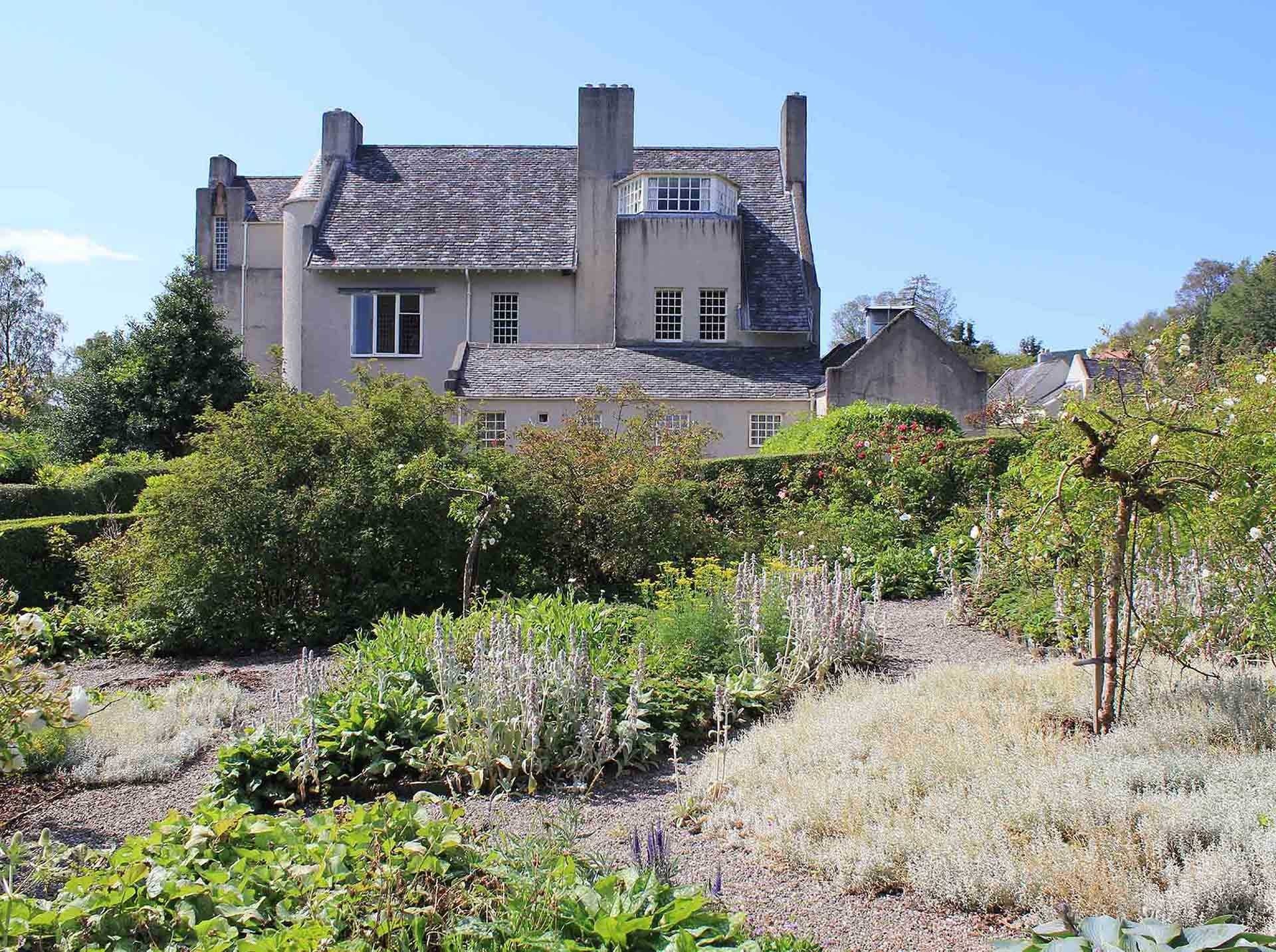
Designed by famous Scottish architect, Charles Rennie Mackintosh, the Hill House is a celebration of art and design, featuring examples of Art Nouveau and Arts & Crafts, to Japonisme and Scottish Baronial influences. At this National Trust property you’ll learn all about the intriguing family history of the house, and be able to relax in the beautiful gardens surrounding it.
This awe-inspiring building dedicated to St Kentigern, also known as St Mungo, was built in the 1100s and drew countless pilgrims to his shrine. Today, it’s the most complete medieval cathedral on the Scottish mainland, having survived the Protestant Reformation almost intact.
The Mackintosh House, now an integral part of the Hunterian Art Gallery, is a careful reassemble of the main rooms from the Mackintoshes’ Glasgow home. The Mackintosh House Introduction Gallery tells the fascinating story of the artists, their house and the Mackintosh collection.
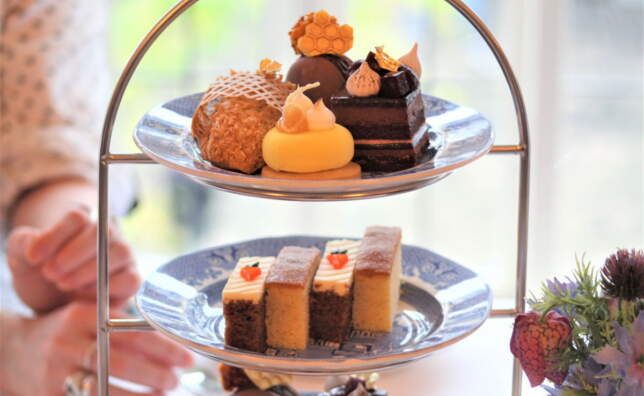
This A-listed building was designed by Charles Rennie Mackintosh and is his last surviving tea rooms, originally opened in 1903. Inside this Sauchiehall Street landmark you will be whisked back into the Art Nouveau elegance of 1903, with decor and furnishings by Charles Rennie Mackintosh. There is also the history exhibition and souvenir shop.
Glasgow’s House for an Art Lover is an inspiring exhibition space, art gallery and studio collection, set within the beautiful Bellahouston Park. Originally designed by Charles Rennie Mackintosh and intended as a tasteful, cultural, country retreat, today the house aims to serve anyone with an interest in art, design and architecture.
The Burrell Collection houses a unique collection of over 8,000 articles gifted by Sir William Burrell in 1944. Focusing on late medieval and early Renaissance Europe, it also contains important examples of Chinese and Islamic art, French paintings, stained glass and works by Rodin, Degas and Cezanne.

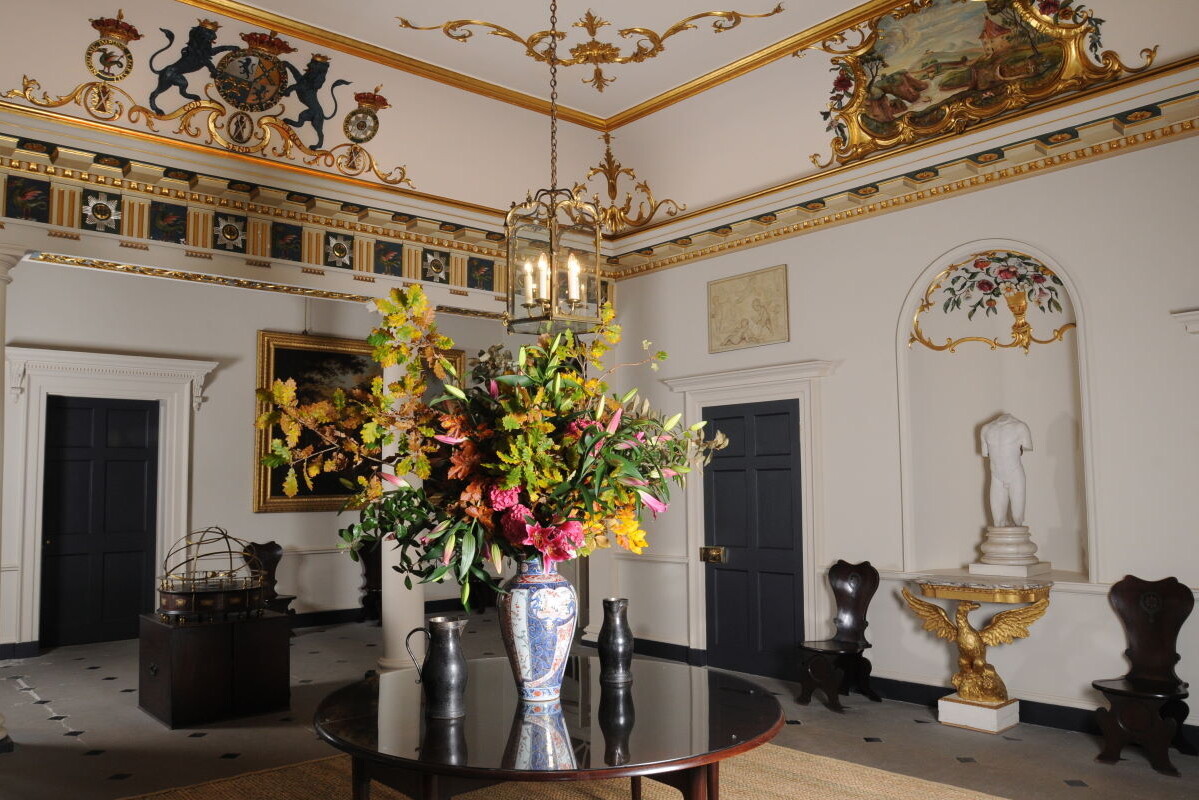
Dumfries House is a remarkable 18th century Palladian country house set in 2,000 acres. Built in the 1750s for William Dalrymple, 5th Earl of Dumfries, by John & Robert Adam. The house contains the largest single collection of Thomas Chippendale furniture. Discover a series of ornate and richly decorated rooms including the Blue Drawing Room, Pink Dining Room, Pewter corridor, Tapestry Room and Family Room. The wonderful gardens have much for visitors to enjoy including the Queen Elizabeth Walled Garden, The Arboretum and the Chinese Bridge.
The latest adventures in your mailbox